
In today’s wellness world, it’s easier than ever to find health advice online. A quick search for fatigue, anxiety, poor immunity, or hair loss will often lead to one common recommendation:
“Take more zinc.”
While zinc is an essential mineral and plays an important role in immune function, wound healing, and hormone health, taking supplements without understanding your body’s unique mineral patterns can sometimes create unintended imbalances.
This is one of the many reasons I am passionate about Hair Tissue Mineral Analysis (HTMA).
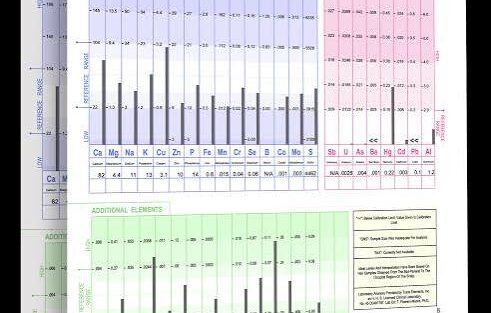
HTMA is a non-invasive test that looks at the mineral patterns and relationships within the body over time. Rather than focusing on a single nutrient in isolation, HTMA helps us see the bigger picture—because the body doesn’t operate one mineral at a time. It functions as an interconnected system.
The Problem with “More Is Better”
Many people assume that if a nutrient is good, more must be better.
But biology doesn’t work that way.
Minerals exist in relationship with one another. When one mineral becomes elevated or depleted, it can influence several others. One of the most commonly discussed relationships is zinc and copper.
Zinc and copper work together in a delicate balance. In some individuals, long-term or excessive zinc supplementation may contribute to lower copper levels over time. Copper plays important roles in energy production, iron metabolism, connective tissue health, and the nervous system.
When mineral balance is disrupted, people may experience symptoms that overlap with many other health concerns, including:
- Fatigue
- Mood changes
- Brain fog
- Poor stress resilience
- Changes in hair, skin, and nails
- Difficulty recovering from illness
- Sleep disturbances
These symptoms can have many possible causes, which is why guessing with supplements isn’t always the best approach.
Why Testing Matters
One of my favorite sayings is:
“Don’t guess—test.”
HTMA allows us to move beyond generalized recommendations and begin asking more meaningful questions:
- What mineral patterns are present?
- How is the body responding to stress?
- Are certain minerals trending high or low?
- What relationships exist between key minerals?
- How can we support greater balance?
HTMA doesn’t diagnose or treat disease, but it can offer valuable insights that may help guide conversations about nutrition, lifestyle, and overall wellness support. If you are interested in learning more about this lab or want to book a consultation to get started reach out to kelseytreeoflife@gmail.com.